Toilet Overflow Cleanup in Brazil: Category 3 Water
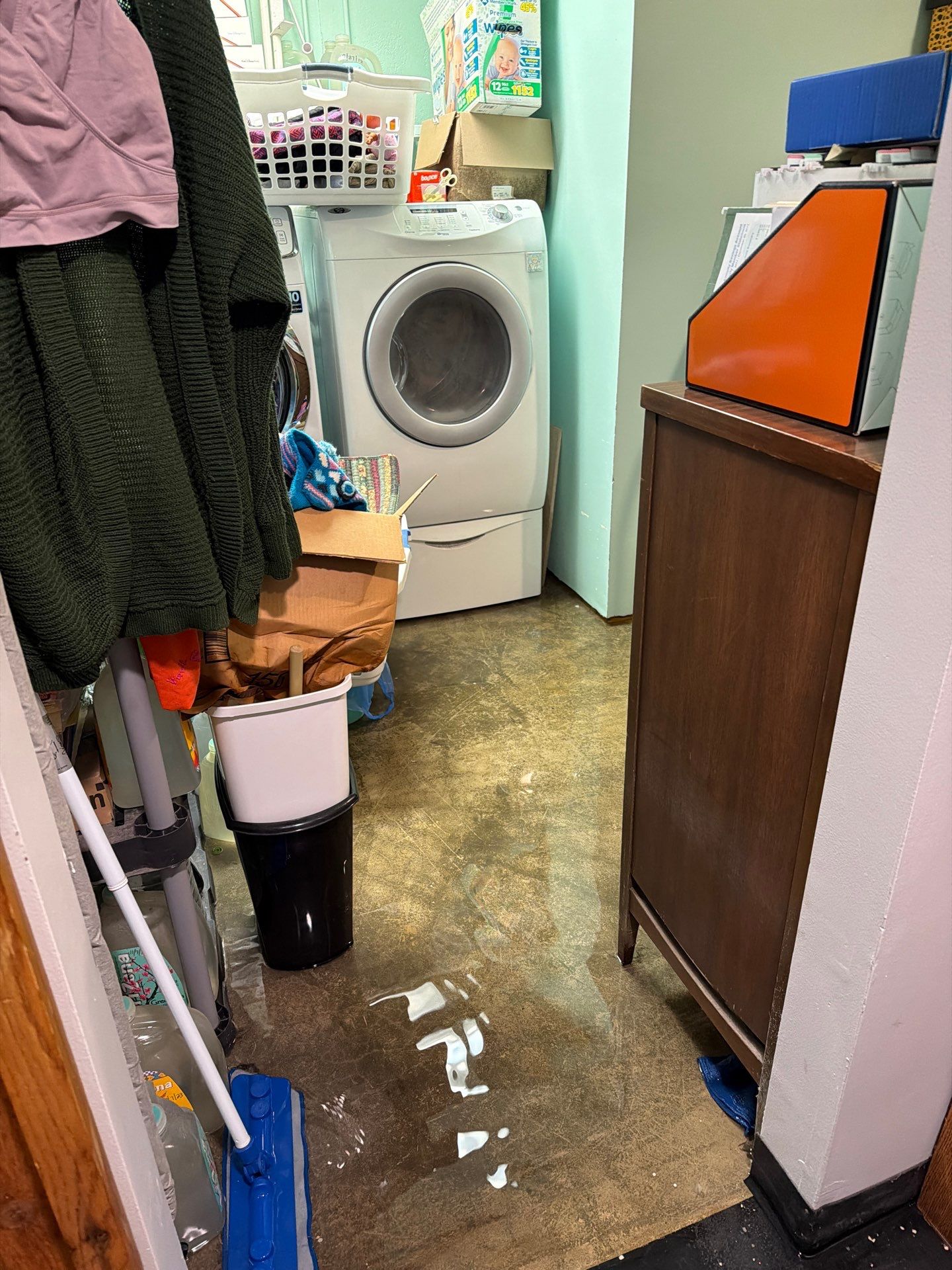
It usually happens at the worst possible moment. You flush, the water rises instead of falling, and within seconds dirty water is spreading across your bathroom floor into the hallway carpet. If the overflow contained anything from the sewer side of the trap, you are not dealing with a simple spill. You are dealing with Category 3 water, the most contaminated classification the IICRC recognizes, and the cleanup rules are very different from a clean supply line leak. At Brazil Water Restoration, we have handled thousands of toilet overflows across Brazil since we opened our doors in 2018, and the homeowners who call us in the first hour almost always save thousands of dollars compared to those who try to mop it up and hope for the best.
This guide walks you through exactly what Category 3 water means for your Brazil home, what porous materials have to come out, what can be salvaged with proper disinfection, what the work typically costs, and how insurance tends to treat these claims. If you are reading this with towels on the floor right now, call us. If we cannot help, we will tell you directly, and we will point you toward someone who can.
Why a Toilet Overflow Is Not Just Dirty Water
The IICRC, the certifying body that sets restoration standards nationwide, classifies water into three categories based on contamination. Category 1 is clean water from a supply line. Category 2, sometimes called grey water, has some contamination and can sicken people if ingested. Category 3 is grossly contaminated, full of bacteria, viruses, protozoa, and organic waste, and any sewage backup or toilet overflow involving anything past the trap falls into this bucket. Even an overflow that looks like clear water can be Category 3 if it pushed up from the drain side rather than spilling from the bowl on the supply side. That distinction matters because Category 3 water requires aggressive containment, antimicrobial treatment, and removal of most porous materials it contacts. You cannot simply dry it and move on.
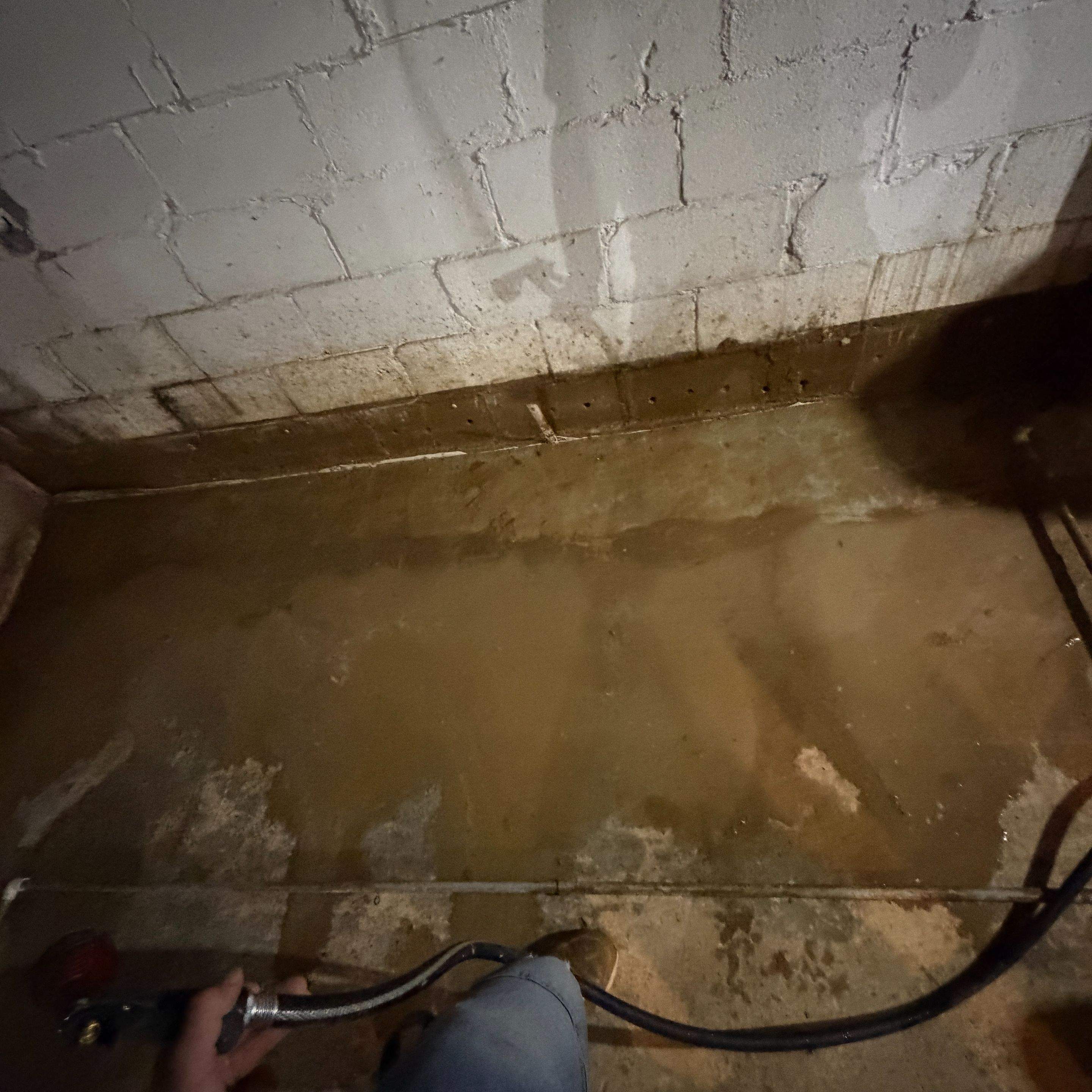
The health risks are real. E. coli, hepatitis A, rotavirus, and giardia can survive in damp drywall and carpet pad for weeks. Pregnant women, young children, elderly residents, and anyone immunocompromised should leave the affected area until a certified crew has finished extraction and applied a hospital grade disinfectant. In Brazil, where many homes have finished basements directly below the main floor bathroom, a single overflow can affect two levels at once, and gravity does not care about your weekend plans. We have walked into kitchens where sewage seeped through a ceiling light fixture and dripped onto a dining table, and laundry rooms where the contamination wicked sideways into a shared wall with a child's bedroom. The path water takes is never obvious from the surface, which is why guessing at the scope almost always leads to a bigger problem six months later when mold spores bloom behind the baseboard.
Call Brazil Water Restoration Before the Damage Spreads
A toilet overflow is one of the few household emergencies where every hour you wait multiplies the cost. Sewage soaks deeper, bacteria multiply, and materials that could have been cleaned become materials that have to be cut out and hauled away. Brazil Water Restoration is BBB A+ rated, IICRC certified, and based right here in central Indiana, so when you call we are not routing you through a national call center. You get a real technician on the phone, a real arrival window, and a real estimate after we have seen the damage. If we cannot help, we will tell you directly. Call us anytime, day or night, and we will walk you through the next steps even before our truck pulls up.
What Comes Out and What Stays
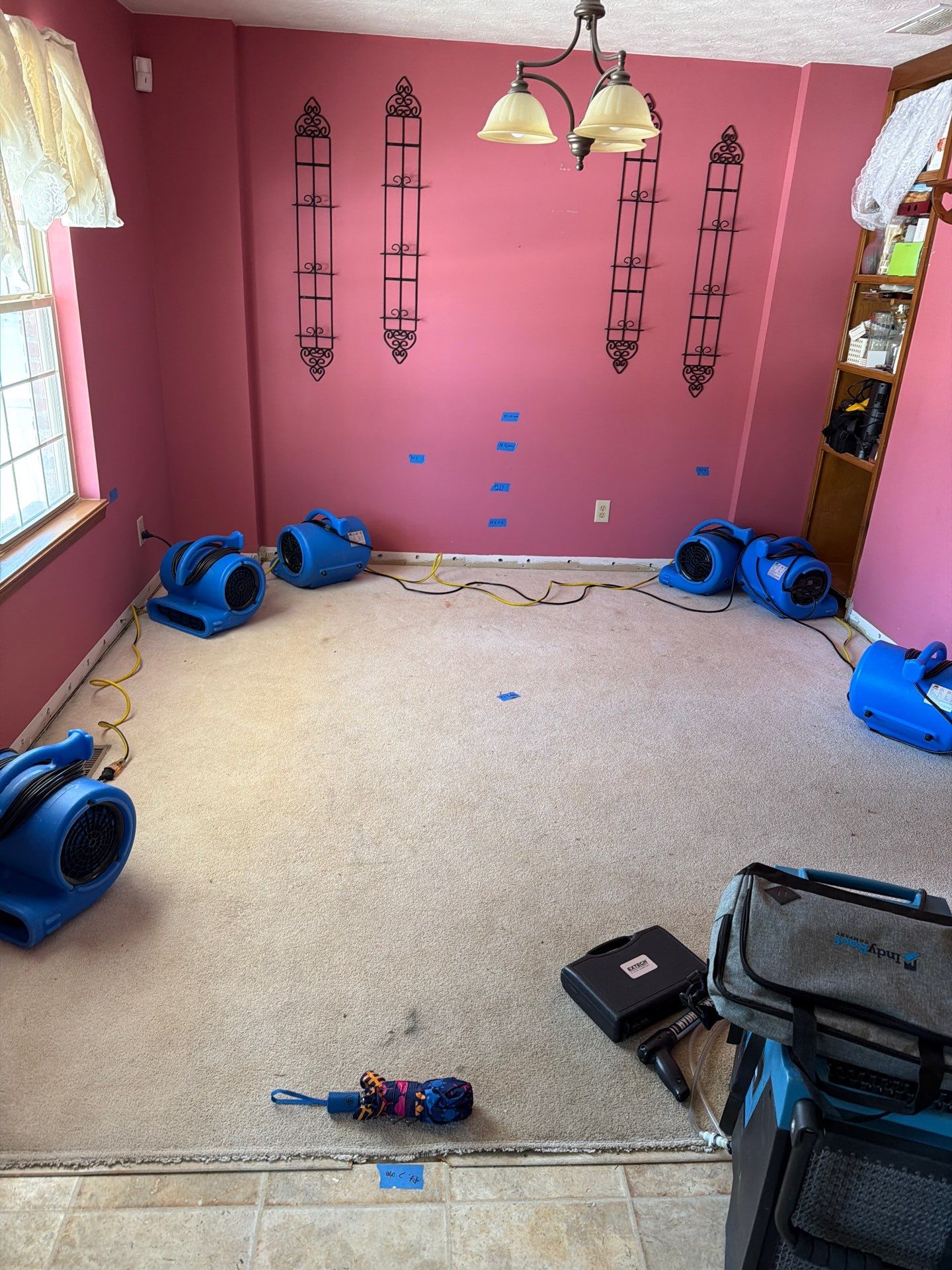
When our technicians arrive at a Brazil property, the first thing we do is stop the source, usually by shutting off the angle stop behind the toilet or the main supply if the angle stop is stuck. Then we map the moisture using thermal imaging and penetrating meters so we know exactly how far the contamination traveled. Carpet that has been saturated by Category 3 water has to be removed. The carpet pad is non salvageable in nearly every case, and the carpet itself is rarely worth saving once you factor in the cost of professional cleaning, re stretching, and the lingering risk of bacterial regrowth. Drywall that wicked sewage upward gets cut at the standard flood line, typically 12 to 24 inches above the floor, and the insulation behind it comes out with it. Baseboards, MDF trim, and particleboard cabinetry kick plates almost always have to go because those materials act like a sponge and cannot be reliably disinfected.
Hard, non porous materials are a different story. Tile, sealed concrete, finished hardwood, glass, metal, and properly sealed vanities can usually be cleaned, disinfected with an EPA-registered antimicrobial, and kept in place. Subfloor decisions depend on the substrate. OSB and particleboard subfloor that absorbed sewage typically needs replacement. Plywood can sometimes be saved if the exposure was brief and we can dry it down to a normal moisture content within the first 48 hours. Contents in the affected area get triaged into three buckets. Hard goods like ceramics, sealed wood furniture, and metal items are cleaned on site or at our facility. Soft goods like upholstered furniture, mattresses, pillows, and stuffed animals that absorbed sewage are almost always discarded because porous materials cannot pass post remediation verification. Documents and photographs can sometimes be saved through specialty freeze drying if you catch them quickly. If you want a deeper look at how we handle the worst contamination scenarios, our team has written extensively about sewage backup cleanup and safe removal for situations beyond a single toilet.
What This Costs in Brazil
Homeowners always want a number, and we will give you a realistic range rather than a lowball that changes later. A contained overflow that only affected the bathroom tile and a few feet of hallway carpet usually runs between 1,200 and 3,500 dollars for full extraction, sanitization, demolition of unsalvageable materials, drying, and post remediation verification. An overflow that traveled into adjacent bedrooms, soaked into multiple drywall sections, or dripped through the floor into a finished basement below typically runs 4,500 to 12,000 dollars. If sewage reached a finished basement with carpet, drywall, and stored belongings, you can see 15,000 dollars or more once contents cleaning and reconstruction are included. Reconstruction, the rebuild phase where drywall, paint, baseboard, and flooring go back in, is usually billed separately and runs roughly the same as the mitigation phase.
Most homeowners insurance policies in Indiana cover sudden and accidental overflows, but a sewer backup endorsement is often required for water that came up through the drain rather than down from the tank. Check your declarations page for sewer or water backup coverage, and call your agent before you start tearing things out. We document every step with moisture readings, photos, and Xactimate compatible line items so adjusters can process the claim without friction. For broader context on how these jobs price out across different scenarios, our breakdown of water damage restoration cost covers the variables in detail.
The First Hour Matters Most
What you do in the first 60 minutes shapes the entire outcome. Shut off the water supply behind the toilet. Open windows if outdoor air is drier than indoor air. Keep children and pets out of the affected zone. Do not run a household shop vac on sewage water because most residential units are not built to handle biohazard material and will spread aerosolized contamination through the motor exhaust. Take photos of everything before you move it. Resist the urge to mop up sewage with bath towels you plan to wash later, because residential washing machines cannot reach the temperatures needed to neutralize the pathogens involved, and you will end up cross contaminating the rest of your laundry. Avoid running the HVAC system if the affected area shares ductwork with the rest of the home, since forced air will carry contaminated aerosols into bedrooms and living spaces that were otherwise untouched.
Then call a certified crew. Our trucks carry truck mounted extractors, HEPA air scrubbers, and EPA-registered disinfectants, and Brazil Water Restoration technicians typically reach Brazil addresses within 2 hours of your call. We arrive in full PPE, set containment with plastic sheeting and negative air machines, and keep the contaminated zone isolated from the clean parts of your home throughout the job. If the overflow has reached the lower level of your home, our sewage cleanup service handles the full scope from extraction through final clearance testing, and we do not consider the job complete until moisture readings and surface samples confirm the space is safe for your family to occupy again.
Frequently Asked Questions
Is a toilet overflow always considered Category 3 water?
If the overflow includes any water from the bowl or trap, yes. Category 3 classification under IICRC S500 applies the moment sewage or fecal matter is present, which is the case in nearly every toilet overflow Brazil homeowners report to Brazil Water Restoration.
Can I clean a small toilet overflow myself?
If the spill is contained to a hard tile surface and never reached porous materials, careful disinfection with EPA hospital-grade product may be enough. Once water touches carpet, baseboards, or subfloor seams, you need professional Category 3 remediation. Brazil Water Restoration will give you a straight assessment over the phone.
Will homeowners insurance cover toilet overflow cleanup in Brazil?
Standard policies usually cover sudden overflows from a malfunctioning toilet. Sewer backups often require a separate endorsement. Brazil Water Restoration documents the cause and category clearly so your Brazil adjuster has what they need to process the claim.
How long does Category 3 cleanup take?
Most Brazil toilet overflow jobs run four to seven days from extraction through final clearance. Larger events involving multiple rooms or second-floor migration can extend to ten days, especially when cabinetry or hardwood replacement is involved.
What makes Brazil Water Restoration different from other Brazil sewage cleanup companies?
We are IICRC certified, BBB A+ rated, locally operated since 2018, and we tell you directly when a job is smaller than you feared. We document scope to S500 standards so your insurance claim holds up, and we do not pad estimates with work your property does not need.
Have a restoration question?
Our IICRC certified Brazil crew is ready to help. Free assessments, written scopes, no pressure.